“Sheep” in Moroccan Arabic
To learn Darija, it’s essential to build vocabulary around everyday objects, animals, and cultural elements. One such important and culturally symbolic word is “sheep” in Moroccan Arabic. Whether you’re visiting during Eid al-Adha or simply exploring Moroccan farms and markets, understanding the word for sheep in Darija and how it’s used in different contexts will enrich your language skills.


How to Say “Sheep” in Moroccan Arabic
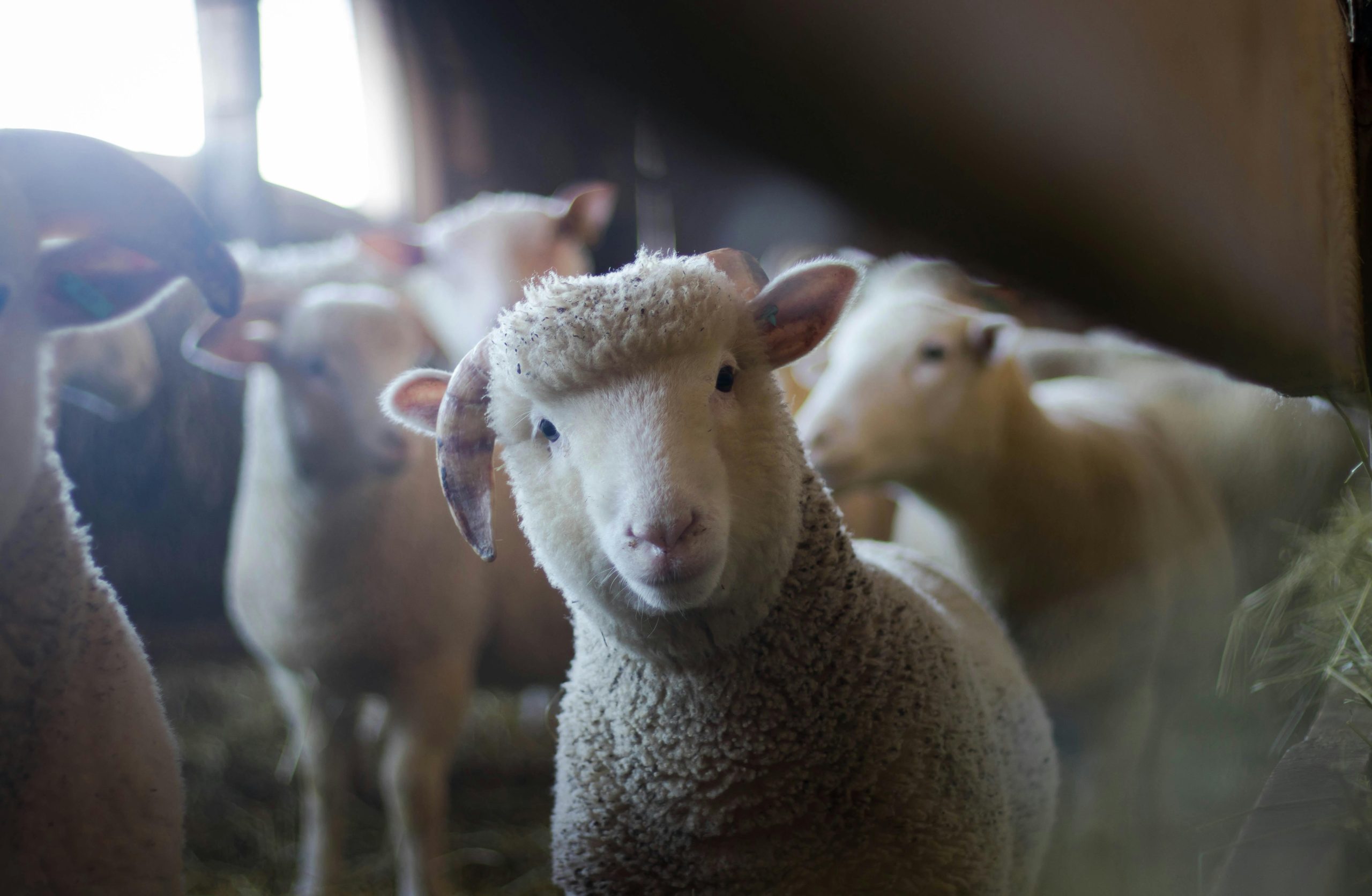
The most common and culturally relevant word for “sheep” in Moroccan Arabic is:
Houli
This is the colloquial and widely used term for sheep in Morocco. You’ll hear it in households, markets, on farms, and especially during conversations surrounding Eid al-Adha, the Islamic festival of sacrifice.
Pronunciation and Usage
-
Houli is pronounced: hoo-lee
-
It refers generally to a domestic sheep, especially those raised for Eid or farming.
-
It is a gender-neutral term and widely understood across different regions of Morocco.
Additional Terms Related to Sheep in Darija
Although houli is the primary term, Moroccan Arabic includes other specific words for types of sheep or situations where more precision is required.
| Darija Term | English Equivalent | Usage Context |
|---|---|---|
| Houli | Sheep | General and most commonly used term |
| Sbe3 | Ram (male sheep) | Used when referring to a strong male sheep |
| Naʿja | Ewe (female sheep) | Less common in daily speech |
| Qtiʿa | Flock of sheep | Refers to a group of sheep |
These distinctions are useful in agricultural settings, religious contexts, or informal conversations where details matter.
“Sheep” in Moroccan Culture
The word houli carries far more cultural weight than its simple translation might suggest. In Morocco, sheep are at the heart of many family traditions, particularly during Eid al-Adha, known locally as ʿId l-Kbir.
Eid Vocabulary Featuring “Houli”
During Eid al-Adha, families across Morocco purchase and sacrifice a sheep, making houli one of the most used words during this period. Here are some common expressions:
| Darija Expression | English Meaning |
|---|---|
| Houli dyal lʿid | The Eid sheep |
| Shrit houli | I bought a sheep |
| Kayʿaytou lhouli | They’re calling the sheep |
| Sbe3 kbira | Big ram (used to describe a strong ram) |
This vocabulary is important not just linguistically but also culturally. Using these expressions appropriately allows you to participate in conversations around Eid and livestock with confidence and respect.
Sentences Using “Houli” in Context
To gain fluency in Moroccan Arabic vocabulary, it’s essential to see words like houli used in full, meaningful sentences. Below are examples that illustrate how to use the word in different scenarios.
| English Sentence | Moroccan Arabic Equivalent |
|---|---|
| The sheep is in the yard | Lhouli kayn f lḥoosh |
| My father bought a sheep | Baba shra houli |
| We feed the sheep every morning | Kanʿaytou lhouli kul sbah |
| The sheep ran away | Houli hrab |
| That’s a beautiful sheep | Hadak houli zwin |
These sentences help learners move from basic vocabulary recall to natural expression in real-life conversations.
Regional Variation and Clarification
While houli is the preferred and widely used word in spoken Moroccan Arabic, learners may occasionally encounter the word kharouf, particularly from Modern Standard Arabic or in more formal or pan-Arab contexts. However, in everyday Moroccan speech, houli is more accurate, more natural, and more commonly used.
Related Vocabulary: Farm and Domestic Animals
Building thematic vocabulary is a useful strategy when learning Darija. Here are a few related animal names that often come up in rural or market contexts:
| English | Moroccan Arabic |
|---|---|
| Cow | Baqra |
| Goat | Maʿza |
| Donkey | Hmar |
| Chicken | Djadja |
| Dog | Kelb |
| Cat | Qett |
By learning related vocabulary together, you can describe entire settings, such as markets, villages, or farms, and communicate more effectively with native speakers.
Expand Your Moroccan Arabic Vocabulary
Once you’ve mastered how to say “sheep” in Moroccan Arabic, you can deepen your Darija fluency by exploring other essential expressions and social vocabulary:
-
Learn polite replies with “You’re welcome” in Moroccan Darija
-
Discover how to greet people with “Welcome” in Moroccan Arabic
-
Learn how to express sympathy appropriately with “Condolences in Moroccan Arabic”
For vocabulary beyond sheep and animals, use our English–Darija Translation Dictionary—a helpful tool for finding accurate and up-to-date Moroccan Arabic words for any context.
Learn Darija Online with Native Speakers
If you’re serious about learning to speak Moroccan Arabic naturally, our online courses are the perfect place to start. Designed for all levels, from absolute beginners to advanced learners, our courses provide structured lessons, authentic audio, and cultural context to help you speak confidently.
Led by native Moroccan instructors, you’ll not only learn vocabulary like houli, but also understand how and when to use it appropriately—something textbooks alone can’t teach.
Join us and take your Darija to the next level with expert guidance, real-life language use, and a supportive learning community.
Darija School