How to say “to do the pilgrimage” in Moroccan Arabic?
Learning Moroccan Arabic (Darija) means discovering not only everyday vocabulary but also the deeply rooted cultural and religious expressions that shape daily conversations. Among these, one essential term to learn is how to say “to do the pilgrimage”—a phrase frequently used in Morocco, especially during the Hajj season or when referring to someone who has completed this important religious journey. If you’re looking to learn Darija with cultural authenticity, this term is a perfect example of how language and tradition are closely linked.


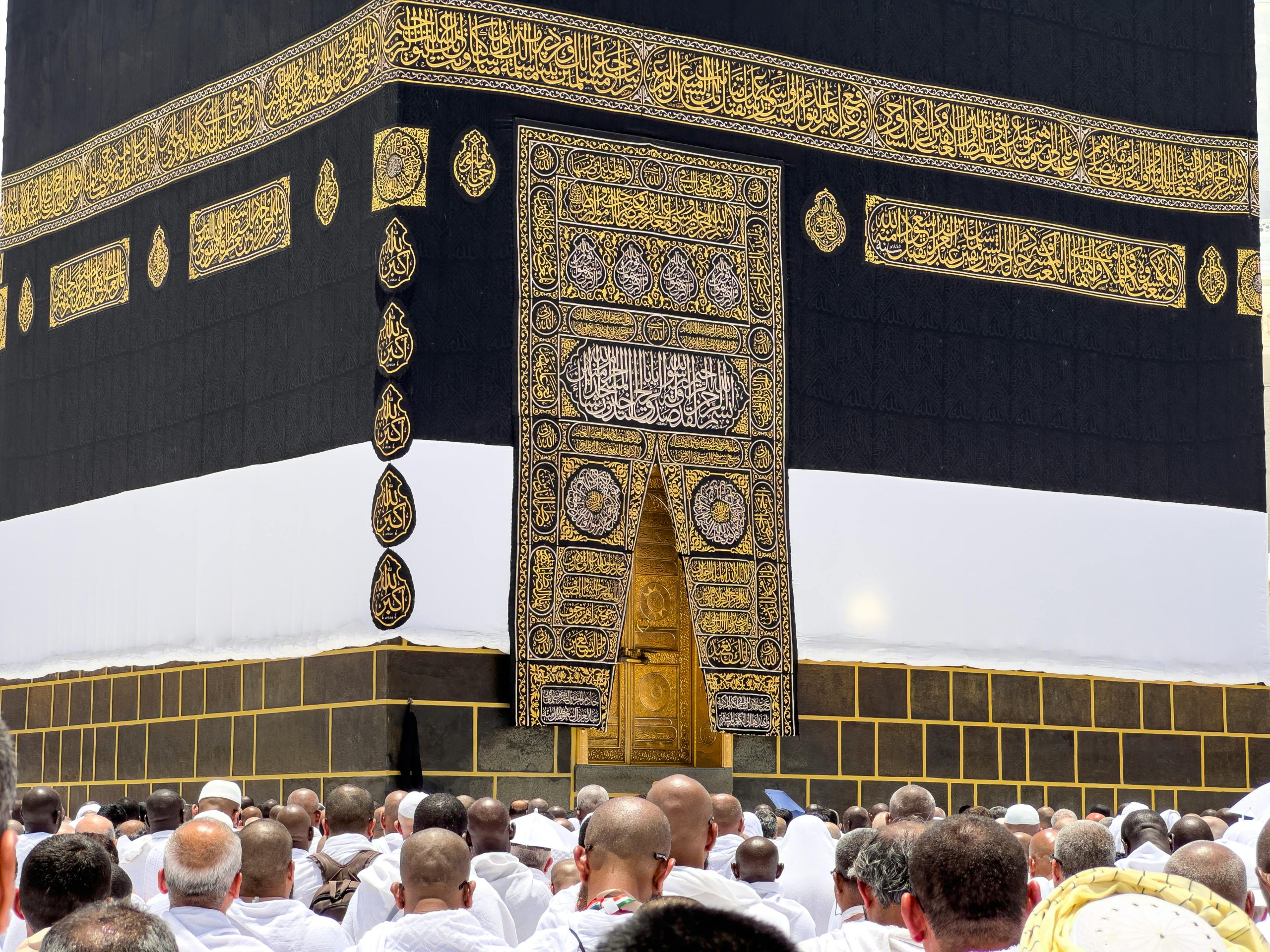
The verb “to do the pilgrimage” in Moroccan Arabic
In Moroccan Arabic, the expression “to do the pilgrimage” is translated as:
“ddar l-ḥajj”
Literally: he did the pilgrimage
This structure follows a common Darija pattern where the verb “ddar” (he did) is combined with a noun to express an action. In this case, “l-ḥajj” means “the pilgrimage”, specifically referring to the Islamic pilgrimage to Mecca.
| English Expression | Moroccan Arabic (Darija) |
|---|---|
| To do the pilgrimage | ddar l-ḥajj |
| He did the pilgrimage | huwa ddar l-ḥajj |
| She did the pilgrimage | hiya ddarat l-ḥajj |
| They did the pilgrimage | huma ddarw l-ḥajj |
| Have you done the pilgrimage? | wash dditi l-ḥajj? |
Grammar insight
-
ddar is the past tense form of the verb “yddar”, meaning “to do”.
-
The noun “l-ḥajj” (the pilgrimage) refers specifically to the Islamic Hajj, one of the Five Pillars of Islam.
-
Pronoun changes affect the verb conjugation, which is essential when speaking about different people.
Talking about someone who has completed the pilgrimage
When someone returns from Hajj, it’s common to refer to them using the honorific title “ḥajj” (for men) or “ḥajja” (for women). These titles are used as respectful ways to acknowledge the accomplishment of the pilgrimage.
Examples in conversation:
-
ḥajj Mohammed – Mr. Mohammed who has done the pilgrimage
-
ḥajja Fatima – Mrs. Fatima who has completed the pilgrimage
These forms are widely used in Moroccan society, and they often remain attached to the person’s name for life. Using them correctly is a sign of cultural fluency in Darija.
Related expressions and phrases
To communicate fluently, it helps to know additional common expressions related to pilgrimage in Moroccan Arabic. Here are some that you might hear before or after someone completes Hajj:
| English | Moroccan Arabic (Darija) |
|---|---|
| May God accept your pilgrimage | Allah yqbel l-ḥajj dyalk |
| Safe travels to Hajj | rbi yssehel lik ṭ-ṭariq l-lḥajj |
| Congratulations on your pilgrimage | mbruk ʿla l-ḥajj |
| When are you going to do the pilgrimage? | imta ghadi tdir l-ḥajj? |
These phrases show respect and spiritual support and are used among family members, friends, and even in formal settings.
Cultural context of Hajj in Moroccan Arabic
In Morocco, completing the pilgrimage to Mecca is not just a religious event—it’s a community milestone. When someone returns from Hajj, neighbors, friends, and relatives typically come to visit and offer congratulations. It’s a festive moment, often celebrated with special meals and blessings.
Understanding how to use “ddar l-ḥajj” and related phrases allows learners to engage more authentically in Moroccan culture. This is particularly useful during religious holidays like Eid al-Adha, when Hajj is most often discussed.
For more culturally rich expressions, see our guide on How to wish a happy Eid in Moroccan Arabic.
Compare with other religious expressions in Darija
The Darija verb construction “ddar + noun” appears in other religious and festive contexts. For instance:
-
ddar ṣ-ṣiyam – he fasted (literally: he did the fast)
-
ddar l-ʿid – he celebrated Eid
This formula helps you build accurate and respectful expressions in many religious or cultural settings. To expand your vocabulary for religious greetings, explore How to Say “Happy Ramadan” in Moroccan Arabic.
Practice makes perfect: use our translation tool
If you’re unsure about how to translate more religious or everyday expressions from English into Darija, try our English–Moroccan Arabic dictionary. This tool is designed specifically for learners and includes useful audio pronunciation guides and examples in context.

Learning Darija through culture and language
To truly master Moroccan Arabic, it’s important to understand how language reflects identity, traditions, and beliefs. Religious expressions like “ddar l-ḥajj” connect language learners to Morocco’s rich spiritual life.
For a different look at how Darija expresses emotions and culture, enjoy our literary collection 5 love poems in Moroccan Darija, where you’ll see how poetic and expressive this dialect can be.
By exploring both everyday and spiritual phrases, your journey to learn Darija becomes not just linguistic, but also cultural and emotional—opening doors to truly meaningful communication.
Darija School