“Fish” in Moroccan Arabic
To learn Darija, expanding your vocabulary around food, animals, and market-related terms is essential. One frequently used word is “fish” in Moroccan Arabic. Whether you’re shopping at the market, ordering food at a restaurant, or speaking with locals about traditional cuisine, knowing how to say and use “fish” in context will help you sound more natural and culturally aware.
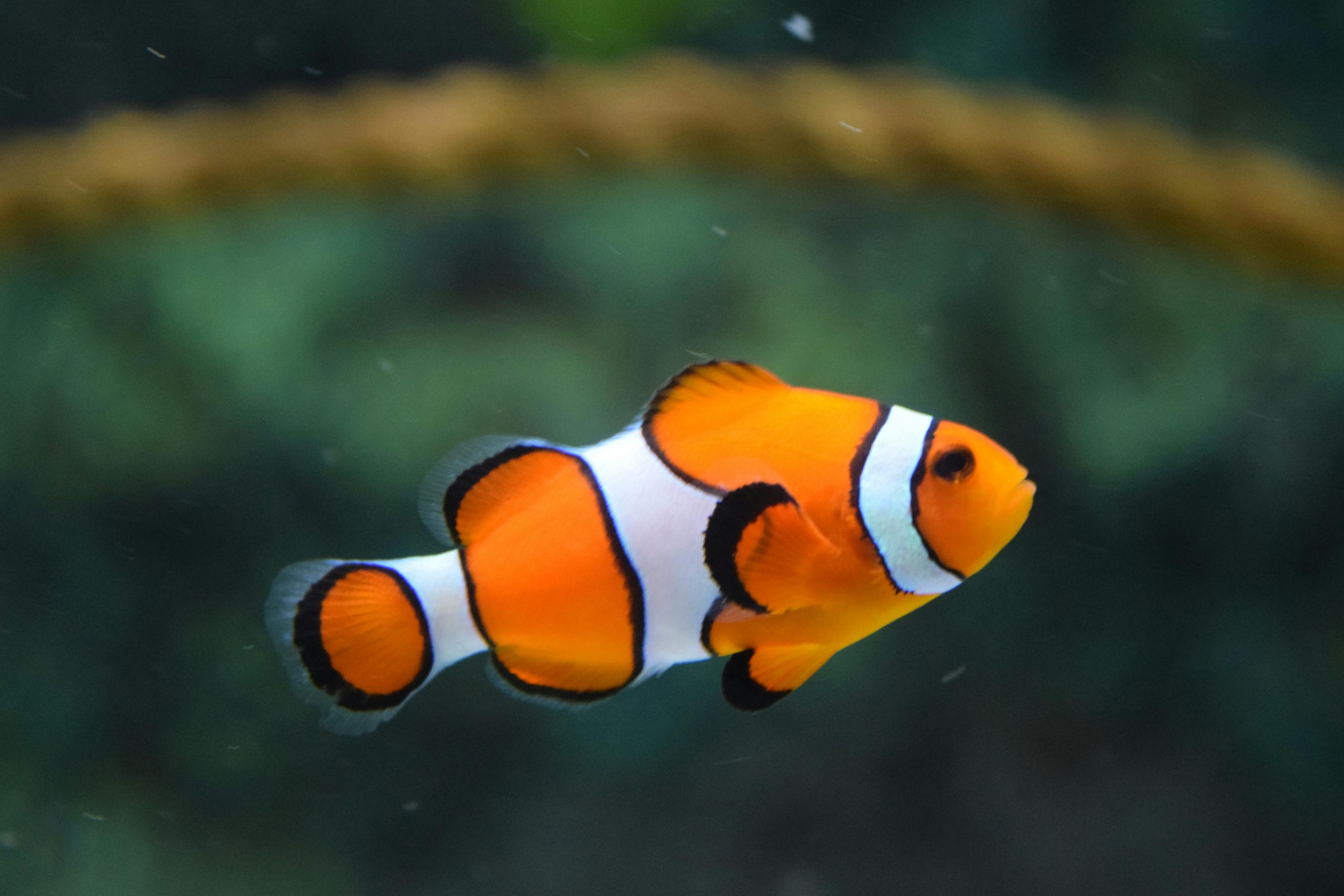


How to Say “Fish” in Moroccan Arabic
The standard word for “fish” in Moroccan Arabic is:
Hout
This is the most commonly used and recognized term across Morocco. It is used in daily conversations, restaurants, markets, and homes.
Pronunciation and Usage
-
Hout is pronounced: hoot (with a strong “h” from the throat).
-
It can refer to both singular and plural in informal speech. For example:
-
“I ate fish” → Klt hout (meaning one or more fish, depending on context).
-
The word hout is highly versatile and appears often in Moroccan culinary culture and everyday communication.
Contextual Uses of “Hout” in Darija
In Moroccan Arabic, hout can appear in a variety of phrases and expressions. Here are common examples that demonstrate its usage:
| English Sentence | Moroccan Arabic Equivalent |
|---|---|
| I want to buy fish | Bghit nshri hout |
| Do you have fresh fish? | Wash ʿandkom hout tazi? |
| The fish is delicious | Lhout bnin |
| I don’t like fish | Ma kanḥamqsh ʿla lhout |
| We caught fish yesterday | Shdna hout lbareḥ |
These examples will help you use the word hout naturally in different contexts, whether you’re shopping, eating out, or chatting with locals.
Types of Fish in Moroccan Arabic
If you’re at a fish market or discussing Moroccan recipes, you may need to specify the type of fish. Here is a table of common fish names in Darija:
| English | Moroccan Arabic (Darija) |
|---|---|
| Sardine | Sardina |
| Mackerel | Maqroun |
| Sea bream | Qarnit |
| Octopus | Poulpo (or Faqroun) |
| Shrimp | Crevette |
| Anchovy | Anchoa |
| Tuna | Ton |
Note that some terms are borrowed from French, which is widely spoken in Morocco. However, the base word hout always remains the umbrella term.
“Fish” in Moroccan Cuisine and Culture
Hout plays a central role in Moroccan cuisine, especially in coastal cities like Casablanca, Essaouira, and Agadir. It’s commonly grilled, fried, or cooked in traditional tagines with vegetables and spices. Here are typical expressions used when discussing meals with fish:
| Darija Expression | English Translation |
|---|---|
| Tagine dyal lhout | Fish tagine |
| Lhout mqli | Fried fish |
| Lhout mashwi | Grilled fish |
| Lhout b chermoula | Fish with marinade (traditional preparation) |
Understanding these phrases will help you navigate restaurant menus and communicate effectively with locals about food.
Expressions and Sayings Involving “Hout”
In addition to its literal use, hout appears in Moroccan proverbs and idiomatic expressions. While not always literal, these sayings reflect the cultural importance of fish in daily life.
-
“Kol hout qbel lkhmis w shouf ma ydiss”
Eat fish before Thursday and see if it doesn’t spoil
– A reminder to act before it’s too late or miss the best moment.
Such phrases enrich your understanding of Darija beyond vocabulary, giving you insight into cultural logic and humor.
Related Vocabulary: Seafood and the Market
To navigate Moroccan markets and kitchens, it’s helpful to expand your vocabulary beyond just “hout”.
| English | Darija |
|---|---|
| Fish market | Souq lhout |
| Net | Sheda |
| Boat | Flouka |
| Sea | Lbḥar |
| Fresh | Tazi |
| Salt | Mlḥ |
This supporting vocabulary will help you ask questions, make purchases, and describe scenes at the fish market or at the seaside.
Build Your Moroccan Arabic Vocabulary
If you’ve mastered “fish” in Moroccan Arabic, continue exploring Darija through themed vocabulary and practical usage. Here are a few related articles to guide your journey:
-
Learn polite responses with “You’re welcome” in Moroccan Darija
-
Discover how to greet guests with “Welcome” in Moroccan Arabic
-
Express sympathy in culturally appropriate ways with “Condolences in Moroccan Arabic”
If you need help translating specific words or phrases, our English–Darija Translation Tool is available to support your learning.

Learn Darija Online with Native Moroccan Teachers
To truly speak and understand Moroccan Arabic, regular exposure and guided practice are key. Our online Darija courses offer:
-
Lessons led by native instructors
-
Practical conversation examples
-
Cultural insights alongside grammar and vocabulary
Whether you’re preparing for a trip, speaking with Moroccan family, or exploring a new language for personal growth, our structured courses are the best way to speak Darija fluently and confidently. Join us and take your learning to the next level.
Darija School