“Congratulations” in Moroccan Arabic
In Moroccan Arabic (Darija), expressing congratulations is not just a matter of language—it’s a deep cultural practice that varies depending on the context. Whether someone has just gotten married, passed an exam, had a baby, or started a new job, Darija offers a rich and meaningful way to say “congratulations.”



How to Say “Congratulations” in Moroccan Arabic
The most common way to say “congratulations” in Moroccan Arabic is:
Mabrouk
This single word is versatile and widely used across Morocco. It derives from the Arabic root “baraka,” which means blessing, and is culturally understood as wishing someone blessed success.
Pronunciation Guide
-
Mabrouk is pronounced: ma-brook
-
The “oo” sounds like in “moon”
-
The emphasis is generally on the second syllable: ma-BROOK
Responding to “Mabrouk” – What to Say Back
When someone tells you Mabrouk, it’s customary to respond politely. The most common response is:
Allah ybarek fik
Which translates to: “May God bless you too.”
This response reflects the cultural importance of reciprocating blessings and well wishes in Moroccan society. It’s a polite and respectful way to acknowledge someone’s kindness.
Variations of the Response
| Darija Expression | English Meaning |
|---|---|
| Allah ybarek fik | May God bless you (standard) |
| Barak Allah fik | God bless you |
| Llah ykhalik | May God preserve you |
Contextual Ways to Say “Congratulations” in Darija
Although Mabrouk is the default expression, Darija offers context-specific phrases that add depth to your congratulations. Using the right expression for the right occasion shows language mastery and cultural awareness.
Weddings and Engagements
For engagements, weddings, or wedding anniversaries:
-
Bslama w zzwaj mabrour
-
Literal: “May it be a safe and blessed marriage”
-
-
Nhar lkbira hadchi! Mabrouk!
-
Literal: “This is a big day! Congratulations!”
-
These expressions emphasize the importance of marriage in Moroccan culture and the community’s collective joy.
Newborn or Birth Announcements
When someone has a baby, say:
-
Mabrouk ʿla l-wlida / l-wlid
-
“Congratulations on the baby girl/boy”
-
-
Allah ykhalih / ykhalik liya
-
“May God preserve him/her for you”
-
This kind of personalized congratulations is especially appreciated in family contexts.
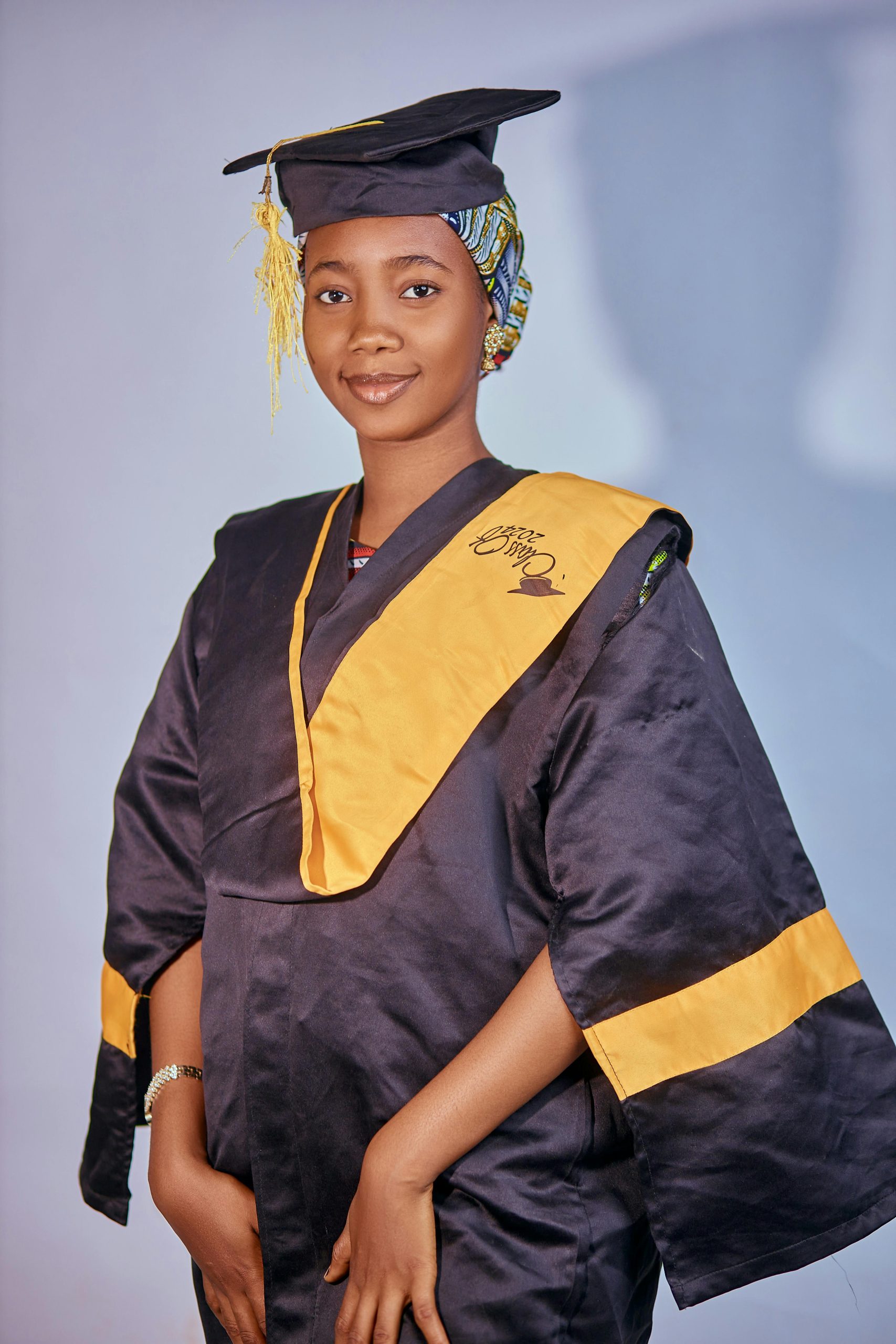
Academic or Work Achievements
For passing exams, getting a promotion, or completing a big project:
-
Mabrouk ʿla najah dyalek
-
“Congratulations on your success”
-
-
Kolchi kayfer7 bik! Mabrouk!
-
“Everyone’s happy for you! Congratulations!”
-
These phrases allow you to connect on a motivational and supportive level, especially with younger people or students.
Grammar and Usage Notes
Gender Sensitivity
While Mabrouk stays the same regardless of the gender of the person you’re speaking to, some surrounding words may need to be gendered:
-
Fik (in “Allah ybarek fik”) stays the same in casual speech, but you might hear:
-
Allah ybarek fik (to a male)
-
Allah ybarek fik(i) (to a female, more formal or rural)
-
Formality
-
Mabrouk is neutral and widely acceptable in both formal and informal settings.
-
In very formal contexts, you might use:
-
Atahak Allahu al-baraka (Classical Arabic-influenced)
-
However, Darija learners should prioritize “Mabrouk” and “Allah ybarek fik,” which are perfectly suitable and widely understood.
Situational Examples
Here are some real-life situations with the proper Darija congratulations expression:
| Situation | What to Say |
|---|---|
| A friend gets married | Mabrouk! Allah ykammel bikhir |
| A colleague passes an exam | Mabrouk ʿla najah dyalek |
| Someone buys a new house | Mabrouk ʿla dar jdida |
| A family member has a baby | Mabrouk ʿla l-wlid / l-wlida |
| Someone opens a new business | Mabrouk! Allah yjib lbarkah |
Using expressions that fit the moment shows that you’re not only learning Darija, but living it authentically.
Related Expressions and Further Learning
Learning how to say “congratulations” is just one part of mastering Moroccan Arabic expressions used in social interactions. Here are more resources to expand your Darija fluency:
-
Explore how to say “You’re welcome” in Moroccan Darija to respond naturally in conversations.
-
Understand how to say “Welcome” in Moroccan Arabic when greeting guests or new acquaintances.
-
Learn how to express sympathy with grace in “Condolences in Moroccan Arabic”.
Additionally, you can expand your vocabulary using our English–Darija (Moroccan Arabic) Dictionary Tool, which is designed to help learners find the right words and expressions for any context.
Darija School